


Cocaine Hangover Cocaine Comedown
A hangover consists of both physical and mental symptoms that occur after drinking too much alcohol. Symptoms usually begin a few hours after blood alcohol levels begin to drop. They can peak when alcohol is completely gone from the body, leaving an aftermath of unpleasant physical symptoms. Experiences vary from drug addiction treatment person to person, and the severity of hangover symptoms is heavily influenced by the amount of alcohol consumed.
- A hangover is unpleasant, but symptoms tend to go away within a day or so.
- By helping your liver process this toxin more efficiently, DHM can shorten both the length and severity of your hangover.
How to Get Rid of Hangxiety
- Hangover intensity and duration are individual to the person and how much alcohol was consumed.
- Drugs such as naltrexone, acamprosate, and disulfiram can help reduce cravings and prevent relapse.
- Hangover symptoms resolve quickly, whereas withdrawal symptoms can persist for a longer time.
Alcohol impairs your attention, decision-making processes and muscle coordination. For example, driving during a hangover can be dangerous or deadly. Typically, your symptoms how long does a hangover last are the worst when your blood alcohol level returns to zero.
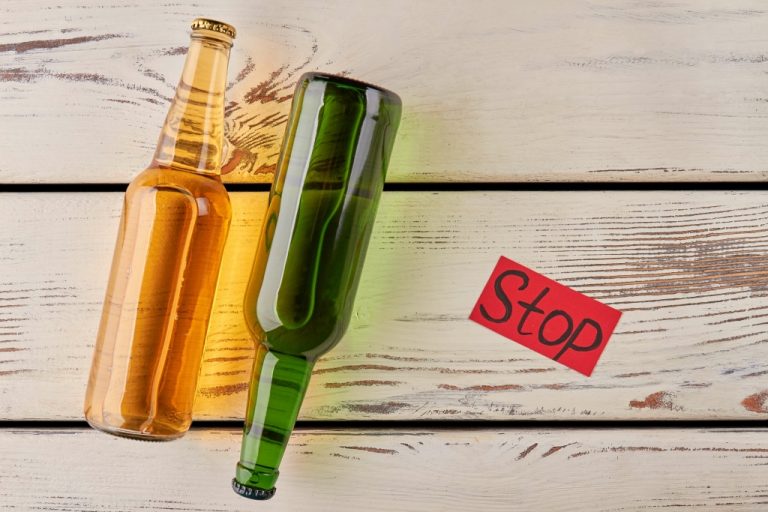
Sun and Alcohol: A Dangerous Cocktail
If your hydration levels are low, it can lead to a headache or nausea, which characterize dehydration caused by https://ecosoberhouse.com/ alcohol consumption. Evidence from the Boston University School of Public Health would suggest, largely, you can avoid a hangover if you only have one or two drinks. This is unlikely to elevate your blood alcohol content to a level where it would come back down substantially, so giving you the symptoms of a hangover.
Annandale Behavioral Health Coverage Areas
While alcohol might help you fall asleep faster, it severely disrupts the quality of sleep, particularly Rapid Eye Movement (REM) sleep. Alcohol increases the amount of adenosine in the brain, which initially promotes sleep. As the body metabolizes the alcohol, adenosine levels drop, often causing a person to wake up before they’re fully rested. Drinking alcohol can cause dehydration, which is what leads to some of the symptoms of a hangover like dry mouth, fatigue and dizziness.
- And sulfites, used as a preservative in some wines, can trigger headaches in some people.
- It’s like giving your liver a super-powered assistant to speed up its cleanup duties.
- Other things you do — or don’t do — when you drink alcohol can affect whether you get a hangover and how bad it is.
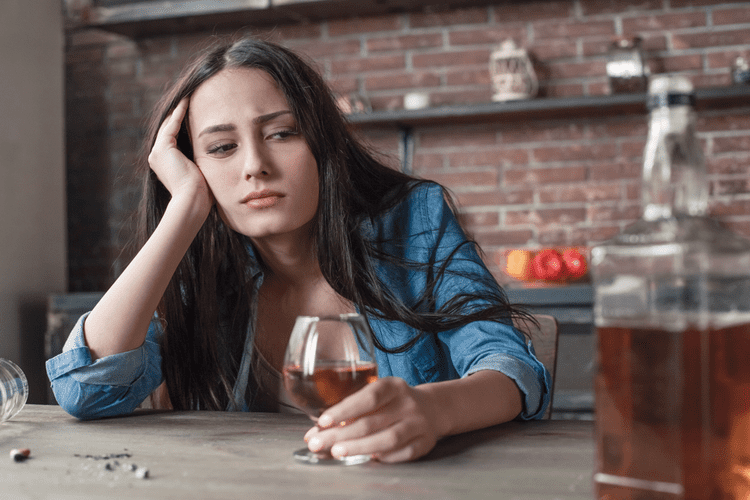
A hangover is a feeling of illness that occurs after alcohol consumption. The more a person drinks, the greater their chance of experiencing a hangover. It’s interesting, too, how these lifestyle differences might explain why hangovers seem to hit different generations so differently.
Light Physical Activity
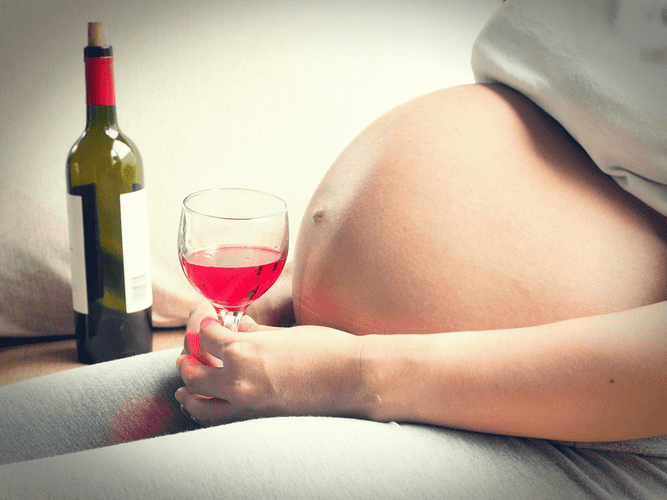
“Hangovers are somewhat poorly understood from a medical standpoint,” says Fred Goggans, MD, the medical director of McLean Hospital’s McLean Borden Cottage in Camden, Maine. For the most part, the symptoms are considered a form of short-term withdrawal and tend to be time-limited. Each session is several hours long and adjusted to your specific needs including treatment intensity and schedule. Unlike residential programs, you’ll return home after treatment.
Download Brochure